828newsNOW publishes opinion pieces representing both sides of a variety of topics. Opinions presented do not necessarily reflect those of the newsroom or management. To join the conversation, email your opinion piece to news@828newsNOW.com.
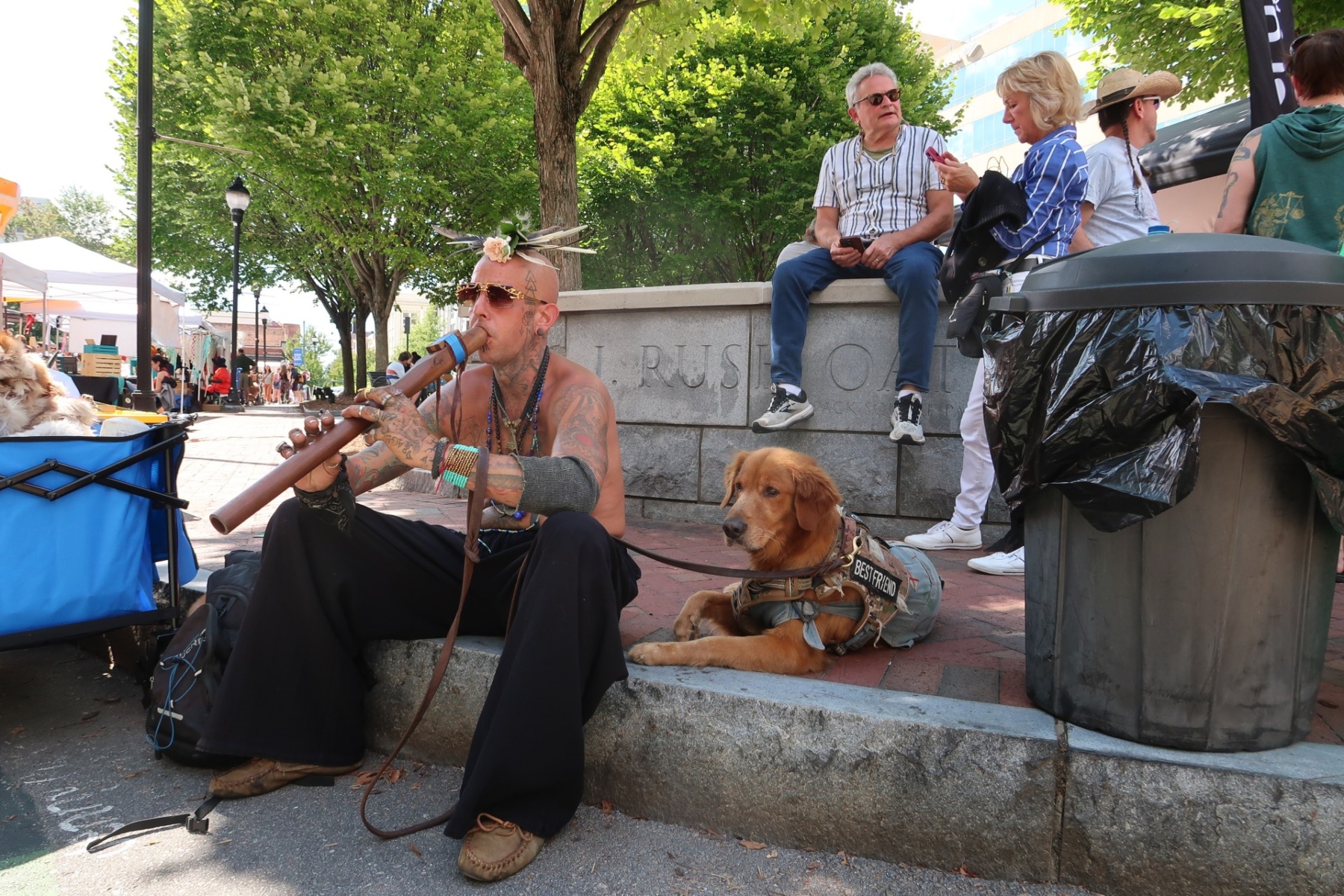
On a Friday night in downtown Asheville, musicians play on street corners and art galleries stay open late for monthly art walks. The streets are lined with lights and people strolling to welcoming restaurants, boutique stores and breweries.
For decades, painters, artists and craftspeople helped transform this mountain city into one of the most vibrant cultural hubs in the Southeast. Today, however, many of those same artists can no longer afford to live here.
Tourism in Asheville grew because of its rich arts scene, and visitors came for the music, galleries and handmade crafts. While tourism has brought economic growth and opportunity, it has also contributed to rising property values, an increase in short-term rentals and a growing demand for housing.
Combined with relatively low wages, these pressures have made affordability one of the city’s most urgent challenges. Although Asheville’s tourism industry generates billions annually, many residents face rising costs of living and increasing congestion.
Homelessness has risen significantly in recent years, worsened by the impact of Tropical Storm Helene, which displaced many residents. Asheville’s economy relies heavily on tourism and service-based jobs, yet full-time workers in restaurants, hotels, breweries and retail often struggle to afford basic necessities such as rent, food and transportation.
The cost of living has increased far faster than wages, leaving many people vulnerable. According to the 2025 Point-in-Time count, more than 750 people lacked stable housing. Of those, about 328 were unsheltered (including people in vehicles or places not meant for habitation).
After Helene displaced more than 1,500 residents into temporary hotel housing, the total number of people without permanent housing rose to approximately 2,300. When rent rises faster than income, even a small financial setback can lead to housing loss.
One potential solution is to repurpose abandoned buildings left in the wake of the storm into shelters or transitional housing. This approach could provide faster and more cost-effective relief than new construction while utilizing existing infrastructure. However, challenges such as renovation costs, zoning regulations and community concerns would need to be addressed to make this a viable long-term strategy.
Addressing Asheville’s affordability and homelessness crisis will require more than simply increasing the housing supply, it will demand creating sustainable economic opportunities and raising wages for workers. Long-term residents and artists have been vocal about these challenges, warning that the city’s creative spirit is at risk. Preserving Asheville’s unique identity means ensuring that the people who built its culture can continue to live here.
The challenges of low wages, high housing costs and rising homelessness are deeply interconnected, creating a cycle that affects the entire community. Without meaningful collaboration between city officials, residents, nonprofit organizations, and employers, Asheville risks losing the workers, artists, and families who give it its character. If no action is taken, it may remain a place people love to visit but no longer a place its own community can afford to call home.